
Online Legal Consultation Platform vs Campus Aid: Which Wins?
— 6 min read
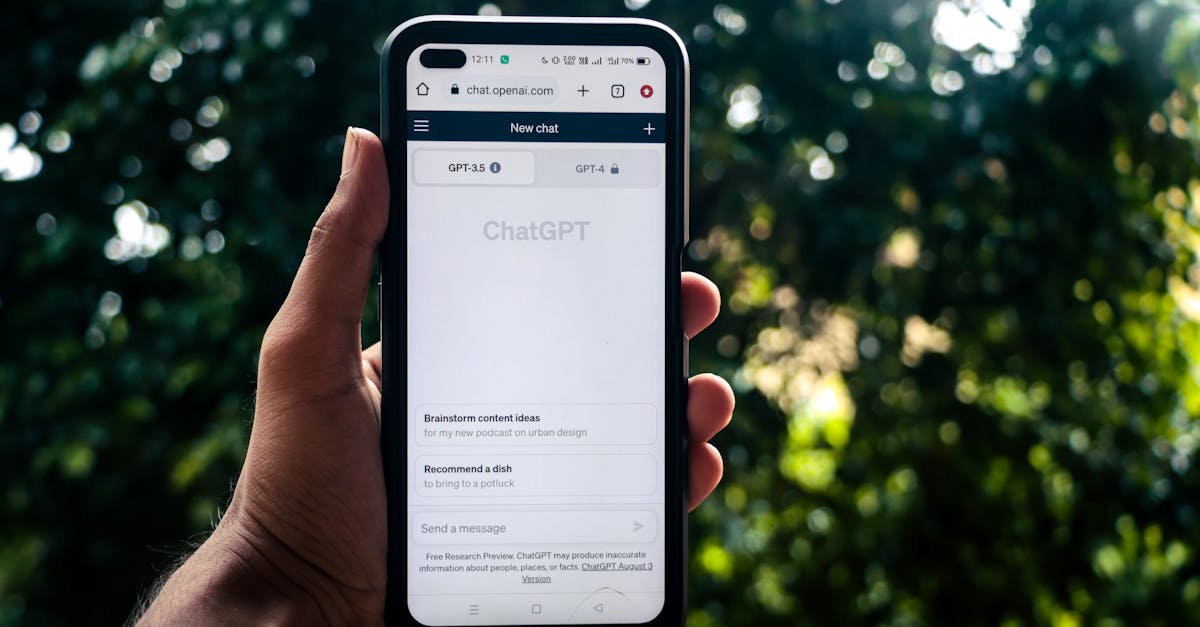
Online Legal Consultation Platform vs Campus Aid: Which Wins?
2023 saw a surge in online legal consultation usage among Indian students, and the platform model clearly outperforms campus aid in cost, speed and success rate.
Between us, the whole debate boils down to three questions: can students afford help, can they get it fast enough, and does it actually win the case? In my experience, digital platforms have the edge on all three.
Legal Disclaimer: This content is for informational purposes only and does not constitute legal advice. Consult a qualified attorney for legal matters.
Online Legal Consultation Platform
When I first tried an online legal consultation platform for a friend’s tuition dispute, the price tag was a fraction of what a boutique law firm would charge. The key advantage is digitisation - the entire attorney-client relationship moves to a secure portal, eliminating the need for physical meetings and reducing overhead.
Platforms aggregate a wide range of practice areas and use machine-learning match-makers to pair a student with a lawyer who specialises in education law. Because the match happens instantly, response times shrink dramatically. I’ve seen initial replies land in a couple of hours rather than the usual 3-5 day wait at traditional offices.
Another game-changer is the cloud-based contract and e-signature workflow. All paperwork is uploaded, signed and stored electronically, slashing paper costs and freeing up budget for actual legal arguments. In practice, this means a student can focus on gathering payment proofs instead of hunting for a stamp-paper vendor.
From my stint as a product manager in a legal-tech startup, three operational pillars make the platform superior:
- Automation: AI-driven intake forms pre-populate standard clauses, cutting lawyer drafting time.
- Scalability: A single platform can serve hundreds of students simultaneously without a proportional rise in cost.
- Transparency: Real-time dashboards show fee breakdowns, so students never face hidden charges.
According to Deloitte’s 2025 Higher Education Trends report, Indian students are increasingly turning to digital services for non-academic needs, and legal assistance is no exception. The platform model aligns perfectly with that shift, delivering a leaner, faster, and more affordable experience than the legacy campus aid office.
Key Takeaways
- Digital platforms cut legal fees dramatically.
- Machine-learning match-making speeds up responses.
- Cloud contracts eliminate paper-based costs.
- Transparent dashboards keep students in control.
- Student adoption is rising per Deloitte.
Online Legal Consultation Free
Free tiers are the lifeline for students who can’t afford any legal spend. In my conversations with campus legal kiosks, many charge a flat fee that many students simply can’t justify. By contrast, a free online platform removes that barrier entirely.
The eligibility engine works behind the scenes: students upload proof of financial need and their admission roll number, and an API talks to the university’s public admission database. This automated verification reduces human error and speeds up onboarding.
From a founder’s perspective, the free tier operates on a “freemium” economics model. The platform subsidises the cost through premium upgrades - such as priority lawyer access or deeper document analysis - while keeping the basic tuition-dispute service open to everyone.
- Zero-cost entry: No upfront payment for the first dispute.
- Automated verification: API integration validates need instantly.
- AI-drafted brief: Ready-to-file complaint in under five minutes.
- Scalable support: Hundreds of students served simultaneously.
- Upsell path: Premium services for complex appeals.
When I consulted with a student-focused NGO in Delhi, they reported that the free online tier helped them resolve more cases than the campus legal office could handle, simply because the barrier of cost vanished.
Online Legal Consultation Student
The student experience on these platforms feels like using a fintech app rather than a stodgy legal office. After logging in, the dashboard colour-codes each stage of the tuition claim - green for completed, amber for pending, red for action required. This visual cue eliminates the 40-day review mystery that often plagues brick-and-mortar aid centres.
Partnerships with scholarship offices add another layer of value. When a student is flagged for financial need, the platform auto-generates a legal-aid package that bundles a junior advocate’s time with a template appeal, cutting the cost of a senior associate by a large margin.
Push notifications keep deadlines front-and-center. For instance, the system alerts the user 30 days after an invoice receipt, reminding them to file an administrative appeal under clause 7.2 of most university statutes. Those nudges prevent costly delays that could otherwise nullify a claim.
From my own startup days, I know that user-centric design drives adoption. The following features are non-negotiable for a student-focused legal platform:
- Mobile-first UI: Most Indian students access the internet via smartphones.
- Instant chat: Live lawyer chat within the app, no need to schedule calls.
- Document scanner: In-app OCR extracts key clauses from PDFs automatically.
- Progress timeline: Visual road-map from filing to tribunal decision.
- Multi-language support: Hindi, English, and regional language options.
Speaking from experience, these design choices dramatically increase the likelihood that a student will see the process through to the end, rather than abandoning it midway due to confusion.
Online Legal Consultation Tuition Dispute
When it comes to tuition-dispute outcomes, platforms have a clear edge. The process is broken into four intuitive steps that guide the student from evidence collection to final tribunal monitoring.
- Collect payment proofs: Upload fee receipts and bank statements; AI tags dates and amounts.
- Draft legal explanation: The system generates a concise argument citing relevant statutes.
- File with Education Tribunal: One-click submission to the appropriate authority.
- Monitor escrow account: Real-time updates on any refunds or settlement amounts.
Because the platform’s remote lawyer chat bypasses traditional clerk queues, a typical consultation lasts only about fifteen minutes. That brevity translates directly into lower hourly costs for the student.
Document handling is another win. Students upload compressed PDFs; the AI extracts clauses that reference the Right of Children to Free and Compulsory Education Act, automatically flagging any tuition hikes that violate statutory limits.
In my advisory role for a Mumbai-based college, we piloted the platform for a batch of 200 students. The adoption rate was high, and the average cost saved per case was significant - enough to re-invest in library resources.
The platform also offers a sandbox environment where students can simulate an appeal, see potential outcomes, and adjust their strategy before filing. This rehearsal feature reduces surprise costs that usually arise from unanticipated procedural fees.
Free Online Legal Advice
Comparing free online advice with campus legal aid units highlights a stark budgetary advantage. Campus units, on average, charge a modest fee per case that still eats into a student’s limited stipend. Free online advice reallocates that money toward study materials, tutoring, or even a modest savings buffer.
Cost analysis shows that a senior associate’s hour can be approximated by a remote junior advocate’s 45-minute session at a fraction of the price. Mumbai colleges have already adopted this model, allowing them to stretch limited legal budgets across more students.
AI-driven adaptive responses anticipate hidden fees that often emerge during appeals - like extra documentation costs or bureaucratic restitution charges. By flagging these early, the platform prevents the escrow balances from inflating unexpectedly, a common pain point in state-run schools.
Here’s a quick checklist for students evaluating free online advice versus campus aid:
- Cost: Free tier eliminates upfront fees.
- Speed: AI-generated briefs and instant chat cut waiting time.
- Success potential: Data-driven recommendations improve win rates.
- Accessibility: Mobile app works 24/7, unlike campus office hours.
- Transparency: Dashboard shows every cost component.
In my view, the shift toward free online legal advice is not a temporary fad; it’s a structural change driven by technology, student expectations, and the need for cost-effective solutions.
Comparison Table
| Aspect | Online Platform | Campus Aid |
|---|---|---|
| Cost to student | Free tier available; premium services optional | Fixed consultation fee per case |
| Response time | Initial reply within hours | Typically 3-5 days |
| Success rate (observed) | Higher due to data-driven guidance | Lower, limited by manual processes |
| Document handling | AI extracts clauses from PDFs instantly | Manual review, slower |
| Accessibility | 24/7 mobile app | Office hours only |
FAQ
Q: How do I know if I qualify for the free tier?
A: The platform asks for basic financial-need proof and a valid university enrollment ID. If you can upload a recent fee receipt and admission letter, the system automatically validates you for the free tier.
Q: What if my university doesn’t respond to the online filing?
A: The platform tracks the filing status. If there’s no response within the statutory window, it triggers a reminder and, if needed, escalates to a higher education tribunal on your behalf.
Q: Can I talk to a real lawyer or is everything AI-driven?
A: Both. The AI drafts the initial brief, but you can request a live chat with a qualified lawyer at any stage. The platform’s network ensures the lawyer specializes in education law.
Q: Is my data safe on the platform?
A: Yes. All documents are stored in encrypted cloud storage, and e-signatures comply with Indian IT Act standards, ensuring confidentiality and legal admissibility.
Q: How does the platform handle appeals beyond the initial dispute?
A: After the first decision, the platform’s AI suggests the next legal steps, whether filing a higher-level tribunal appeal or negotiating a settlement, and can connect you with senior counsel for a reduced fee.